1 min read
Technical Data Sheet Repository
 Ben Eisdorfer : May 8, 2024, 10:15:48 AM EDT
2 min read
Why “Legacy Knowledge” Is Undermining Your ARAMIS Data
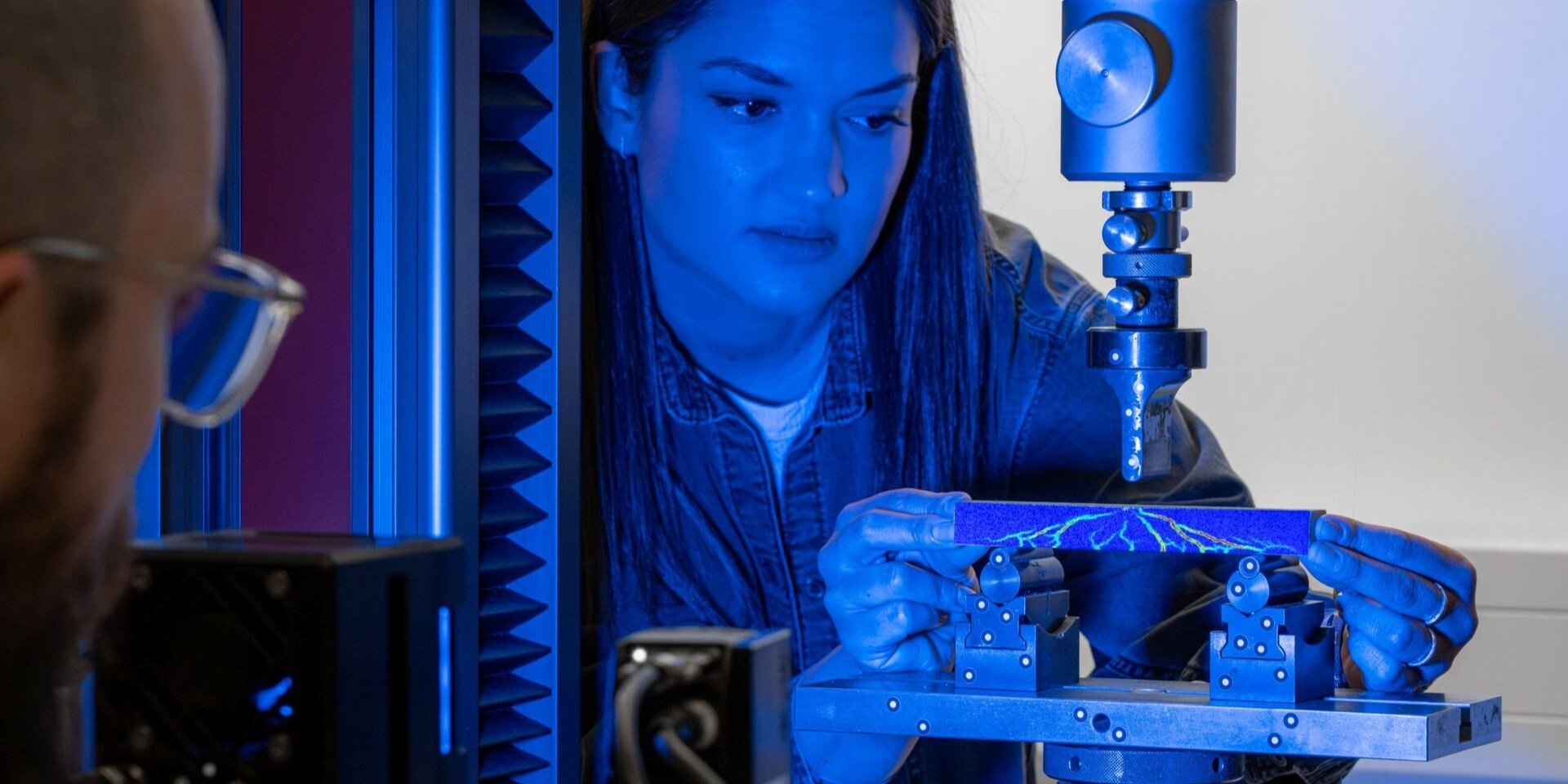
You’ve invested in a state-of-the-art ZEISS ARAMIS system, the gold standard in Digital Image Correlation (DIC) and 3D optical testing. But as teams evolve and experienced users move on, a hidden risk begins to take hold: legacy knowledge.
At first, it seems efficient, but quick handoffs, internal guides, or shadow training. But over time, this approach creates a growing gap between owning a system and using it correctly.
The Hidden Risk of Legacy Knowledge in DIC Workflows
In Digital Image Correlation, precision is everything. When knowledge is passed informally, critical setup details, such as lighting, speckle patterns, and calibration, are often simplified or lost. Without understanding the “why” behind the process, users can follow steps but struggle to troubleshoot when results don’t match expectations.
Over time, this leads teams to question the reliability of DIC itself when the real issue is incomplete training.
Why ARAMIS Training Is Critical for Accurate Results
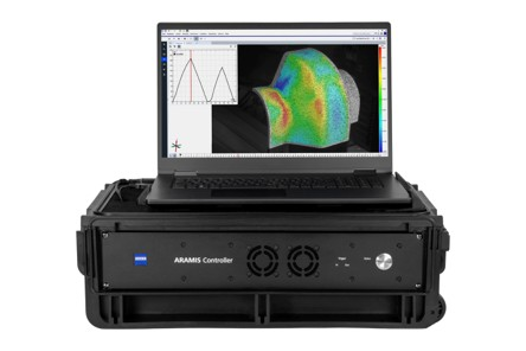
ARAMIS is a high-performance optical measurement system. Learning it through internal documentation or secondhand instruction limits what the system can truly deliver.
Proper training provides the foundation needed to generate accurate, repeatable results. Experienced engineers don’t just walk through software; they help you understand how to optimize your entire test setup, from specimen preparation to final data interpretation. That combination of technical knowledge and application expertise is what ensures your data holds up under scrutiny.
The Link Between Training and DIC Data Accuracy
Accurate full-field measurement depends as much on user expertise as it does on hardware. Even small setup errors can significantly impact results, especially in high-precision testing environments.
Professional Digital Image Correlation training reduces variability, improves measurement consistency, and enables teams to capture high-quality strain and deformation data. More importantly, it gives engineers the confidence to stand behind their results, whether they’re validating simulations or making design decisions.
Building a Sustainable DIC Knowledge Base
Long-term success requires more than a single trained user; it requires a system to maintain and reinforce expertise over time.
Hands-on training is the foundation, but ongoing access to learning resources is what prevents knowledge from degrading into legacy knowledge. The most effective teams pair formal training with continuous learning, whether that’s revisiting application-specific guidance, troubleshooting edge cases, or refining workflows as new challenges arise.
At Trilion, this support doesn’t stop after initial training. From application-focused videos and how-to content to searchable troubleshooting resources and structured video courses, teams have access to tools that help them continuously improve, not just maintain their capabilities.
This kind of reinforcement ensures that knowledge stays current, transferable, and aligned with best practices.
When You Need Results Now
In some cases, projects move faster than your team’s training timeline. When that happens, bringing in experienced support can make the difference between delays and success.
With Trilion Measurement Services, engineers handle the full testing process from setup to analysis while your team observes and learns in real time. It’s not just a way to get high-quality data; it’s a practical way to accelerate your team’s understanding of best practices in a real-world environment.
Break the Cycle of Legacy Knowledge
Legacy knowledge introduces hidden risk into your testing process. Over time, small gaps in understanding can turn into major issues in data quality, efficiency, and confidence.
The solution is straightforward: invest in proper training and reinforce it with ongoing access to expert knowledge.
With the right foundation and the right support, your ARAMIS system becomes more than a tool. It becomes a reliable source of insight for design validation, material characterization, and product development.
1 min read
{% video_player "embed_player" overrideable=False, type='hsvideo2', hide_playlist=True, viral_sharing=False, embed_button=False, autoplay=True,...
1 min read
Ben Eisdorfer : June 19, 2026, 2:33:01 PM EDT
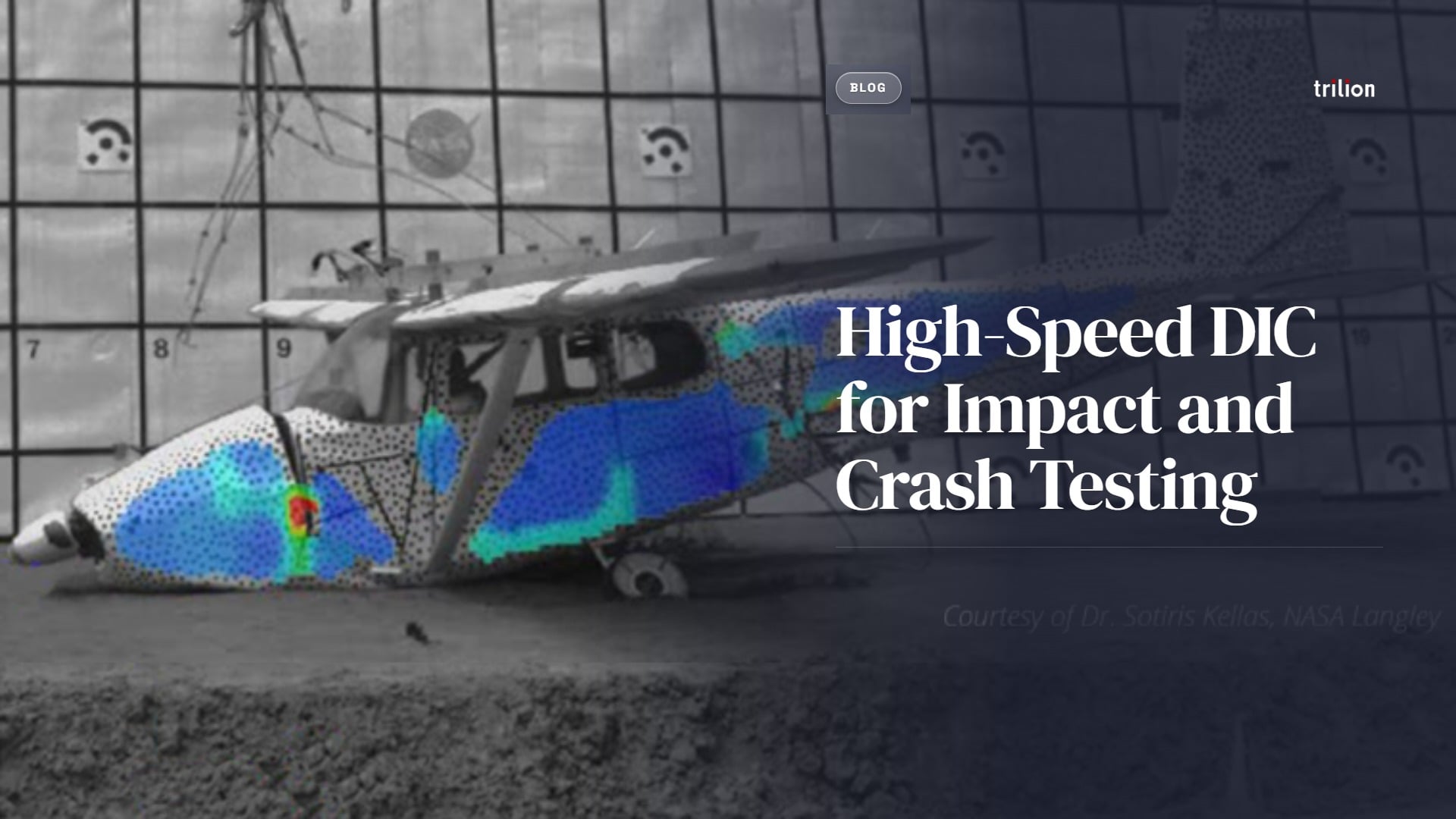
In impact, crash, and drop testing, failure can happen in milliseconds. A component may deform, buckle, crack, or absorb energy before the human eye...